How to keep ticks out of your yard
Cut tick encounters with a few high‑impact yard changes, smart timing, and a short laundry routine. Numbers and rules come straight from CDC, EPA, and state guidance.
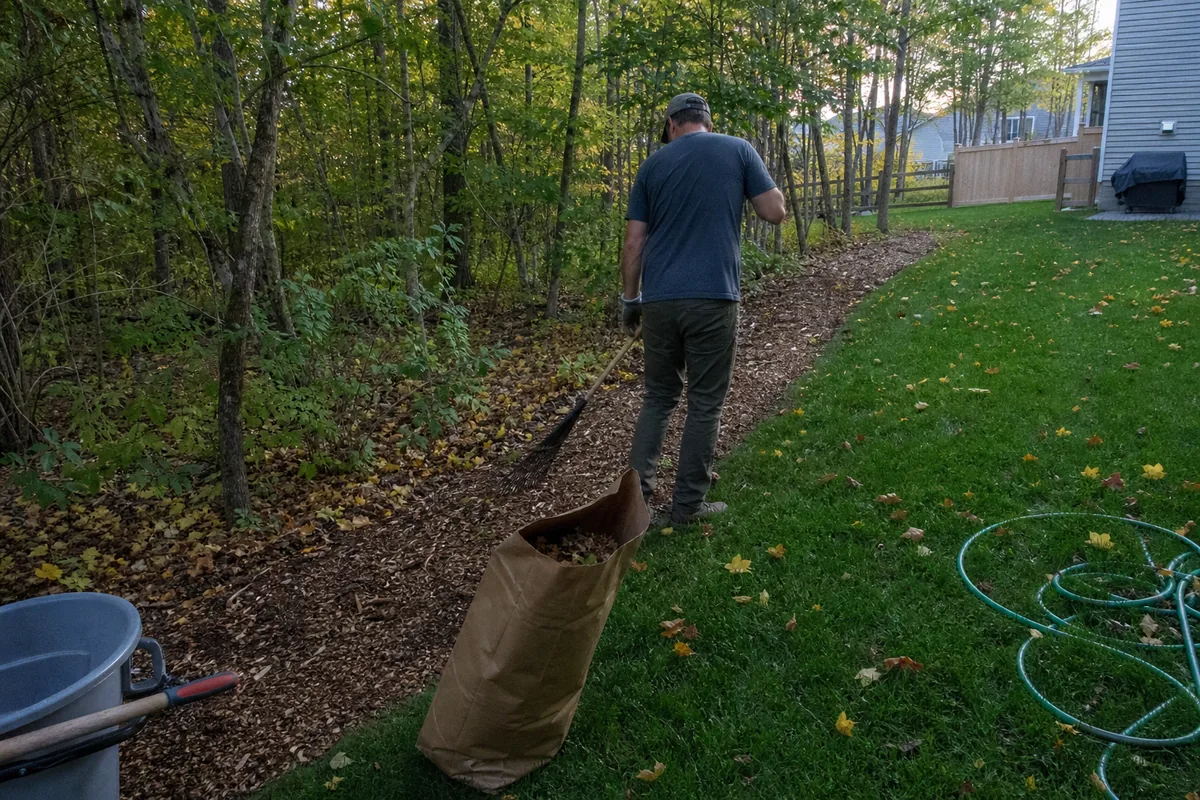
Homeowners ask how to keep ticks out of the yard without turning it into a job. The answer is a few targeted changes, timed for peak months, plus a fast laundry routine.
Know when to focus your effort
Tick season planning works best when it follows the calendar. The CDC states, "Tick exposure can occur year-round, but ticks are most active during warmer months (April-September)." Yard chores and clothing checks matter all season, but plan extra attention in spring and summer.
Use those months to set borders, place play areas, and time any perimeter treatments. Keep the habits going in fall and winter, since mild days can still bring activity.
Build a dry border they won’t easily cross
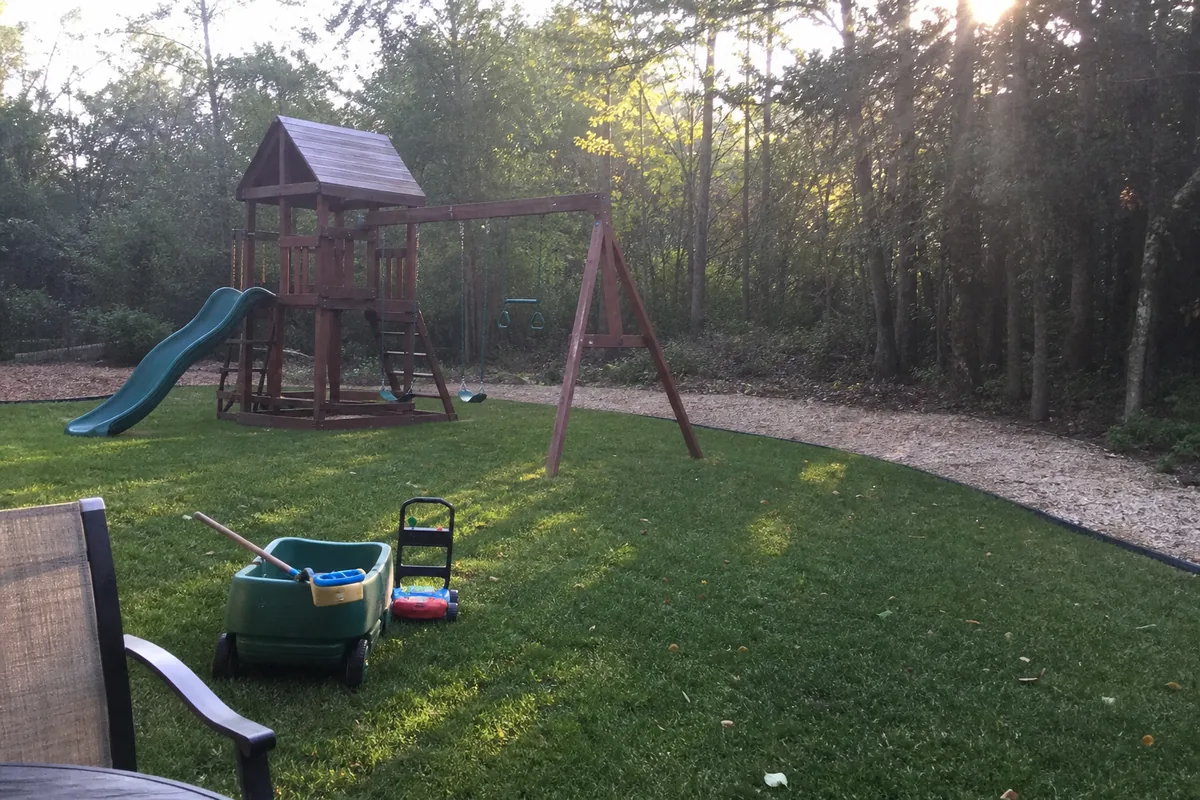
Ticks reach play areas by moving out of brush and into lawns. A border slows that movement. The CDC guidance is direct: "Place a 3-ft wide barrier of wood chips or gravel between lawns and wooded areas to restrict tick migration into recreational areas."
Place the strip where the lawn meets trees, brush, or stone walls. Continue it around swing sets and picnic zones that sit near the edge. The material should stay dry and open, like wood chips or gravel, which are easier to rake and keep clear.
This barrier does two jobs. It creates a visible edge for mowing and cleanup. It also defines where toys, chairs, and paths should stay.
Make layout choices that reduce contact
Keep seating, playsets, and dog runs inside the mowed lawn, away from brush. Aim for sunny, open spots rather than shady edges. That keeps daily foot traffic off the fringe where ticks are more likely.
Gather yard clutter that touches the ground at the edges. Stow tarps, planters, and stacked gear on hard surfaces. Keep firewood up off soil and closer to the house than to the tree line.
For flying pests, pair these steps with standing-water control. See how to keep mosquitoes out of your yard for a simple plan.
If you use pesticides, follow the label and time it
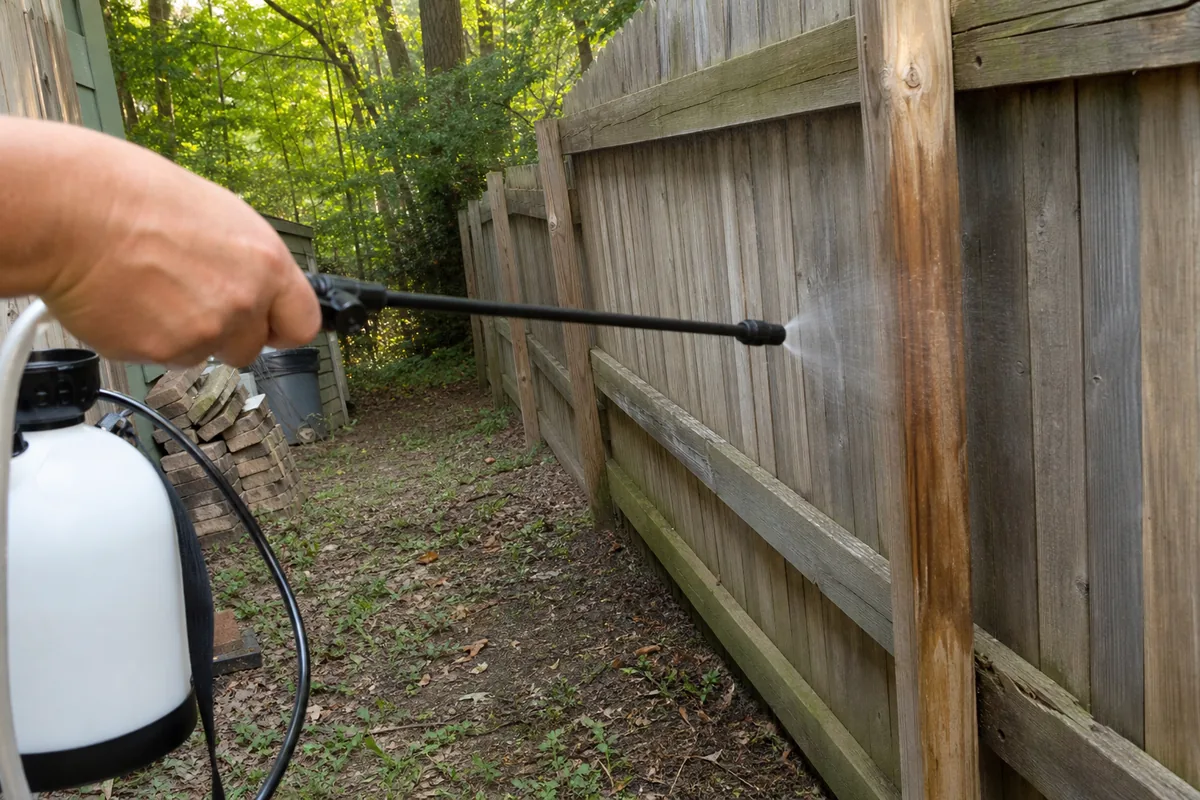
Any product decision starts with the law. The EPA makes the rule plain: "It is a violation of federal law to use a pesticide in a manner inconsistent with its labeling." Choose a product labeled for ticks and for the sites you plan to treat. Read the label fully. Wear the required protective gear. Do not apply to areas or at rates not listed.
Timing also matters, and states publish examples. Delaware’s wildlife agency notes, "Based on Lyme disease risk, the best treatment months are May or June. A single application can be enough for control throughout the season." Local timing can differ, so check your state’s extension or health department for a calendar that matches your region.
Focus treatments where ticks are most likely to enter the yard. A targeted perimeter band at the woodline uses less area than blanket spraying. Combine that band with the 3-foot dry barrier for a one-two approach. Revisit only if label directions and local timing call for it.
The fast after-yardwork routine
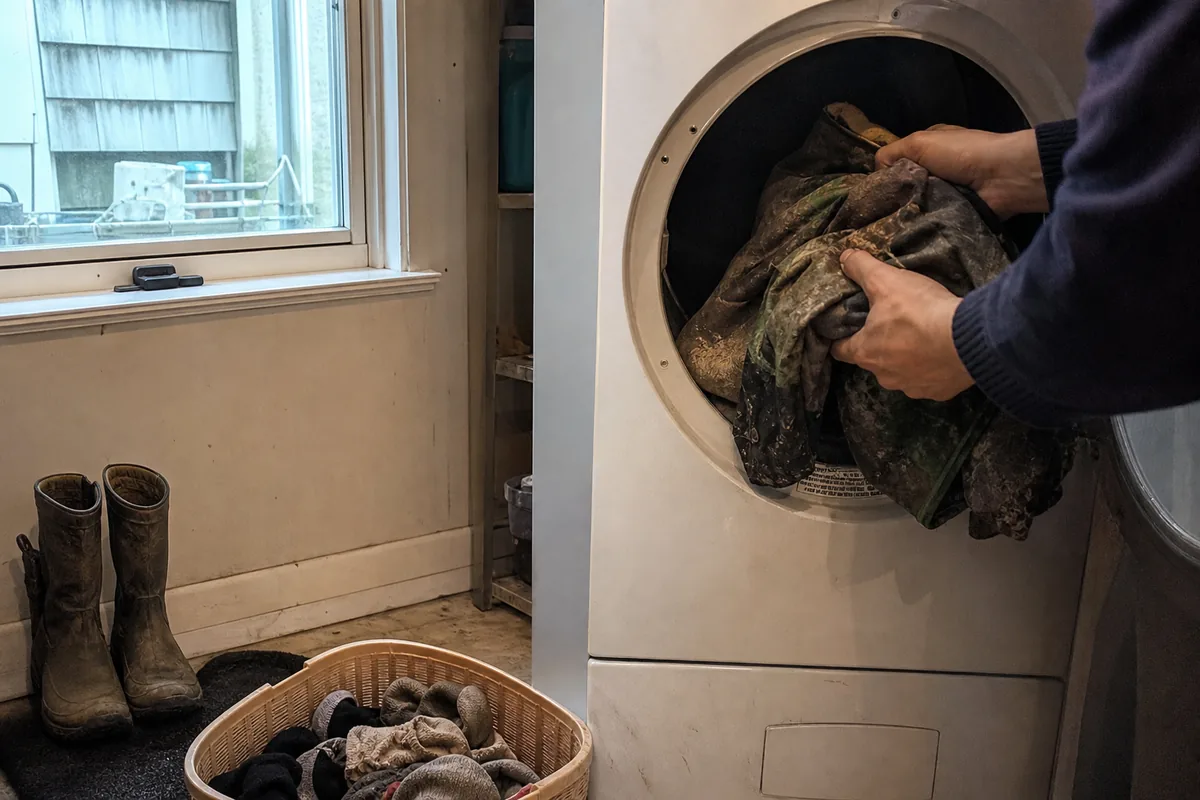
Outdoor chores can carry ticks indoors on clothes and gear. The CDC’s laundry steps are specific and fast. The agency says, "Tumble dry clothes in a dryer on high heat for 10 minutes to kill ticks on dry clothing after you come indoors. If the clothes are damp, additional time may be needed. If the clothes require washing first, hot water is recommended. Cold and medium temperature water will not kill ticks."
A simple routine looks like this: - As you step inside, strip off outer layers and socks at the entry. - Toss dry yard clothes straight into the dryer on high for 10 minutes. - If washing first, use hot water. Then dry on high. - Check cuffs, sock lines, and shoes as you undress. - Store work boots in a bin, not on bedroom floors.
Make this a habit during the CDC’s April through September peak. Keep it ready year-round for warm spells.
A low-effort plan that lasts
Set the 3-foot barrier once, then rake it clear a few times a season. Keep play and seating inside the lawn. During peak months, add a perimeter treatment only if the label and your state timing say it fits. Delaware’s example shows that a single well-timed application can cover a season in some yards.
End each yard session with the short dryer step. It takes minutes and does not depend on the weather. When combined, these moves cut contact zones, trim chemical use, and keep time demands low.