How to keep mosquitoes out of your yard
A prevention‑first plan that follows the mosquito life cycle. Dump and scrub weekly, cover what you keep, and use targeted larvicides only where they help.
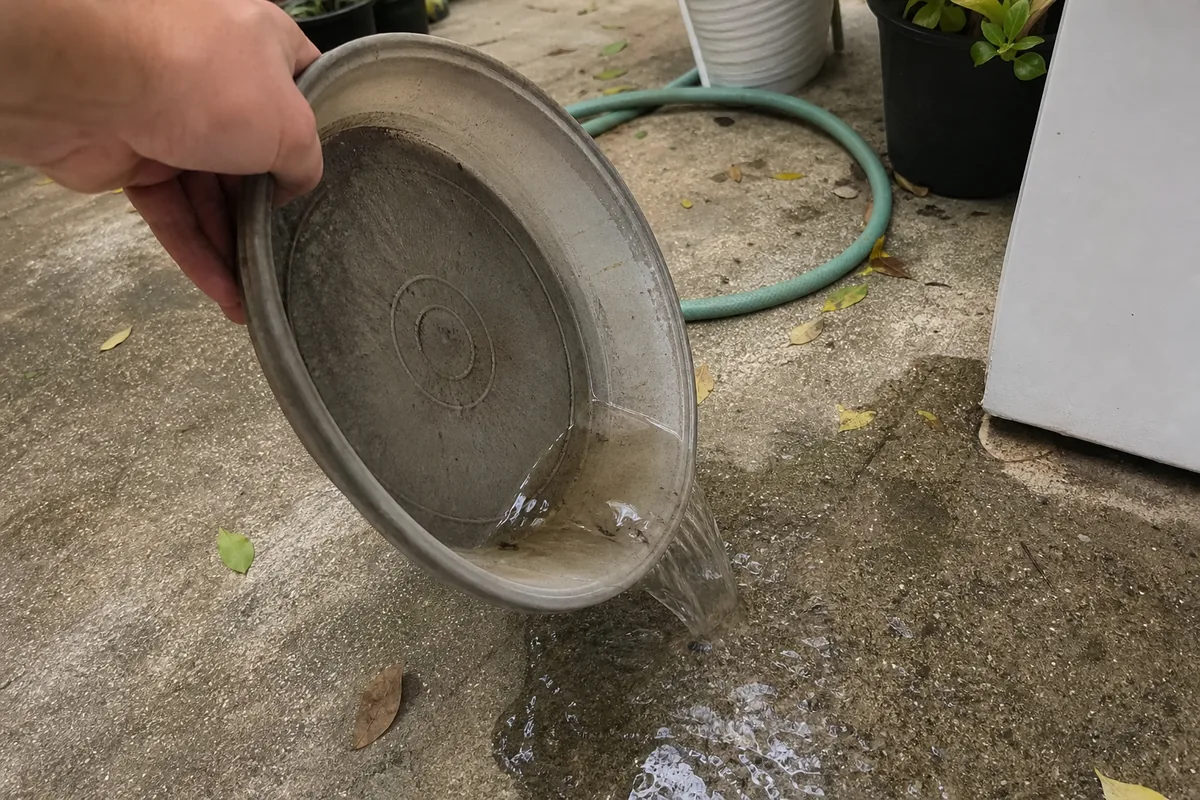
The fastest way to cut backyard mosquitoes is to stop them before they fly.
The CDC explains the timing. "It takes about 7–10 days for an egg to develop into an adult mosquito." That pace is why a weekly routine works.
Make a weekly sweep and scrub
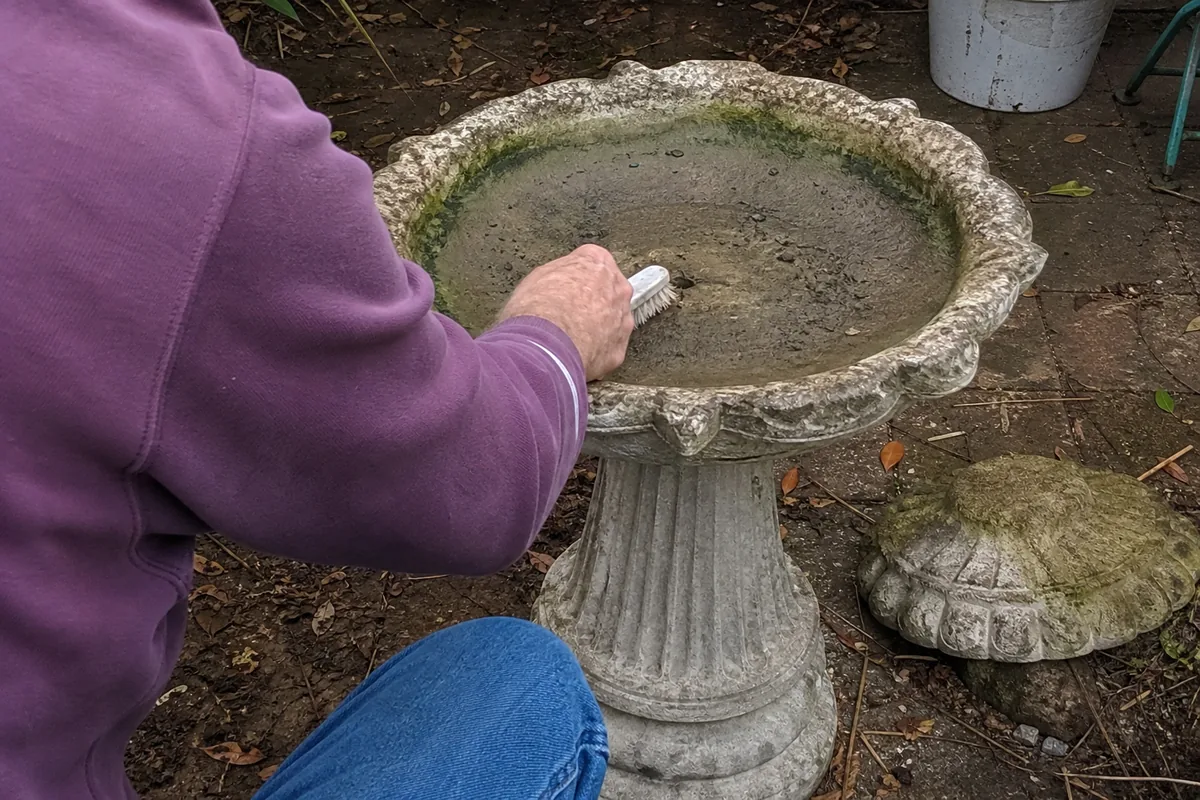
Start with the simple habit that breaks the cycle. The CDC says, "Once a week, empty and scrub, turn over, cover, or throw out any items that hold water like tires, buckets, planters, toys, pools, birdbaths, flowerpot saucers, or trash containers. Mosquitoes lay eggs near water."
Scrubbing matters. The CDC notes of Aedes mosquito eggs, "They can survive drying out for up to 8 months." A quick brush wipes off eggs stuck to the rim where water lines form. Do not just tip. Swish and scrub anything with a slimy ring.
Work in loops. Walk the patio, deck, and play area. Check under stairs and benches. Flip lids and toys. Tip wheelbarrows. Leave items stored upside down.
Find the water you do not see
Mosquitoes use tiny pockets of water. Look for clogged gutters and downspouts. Clear them so water drains. Fix tarps so they do not sag. Level low spots that stay wet.
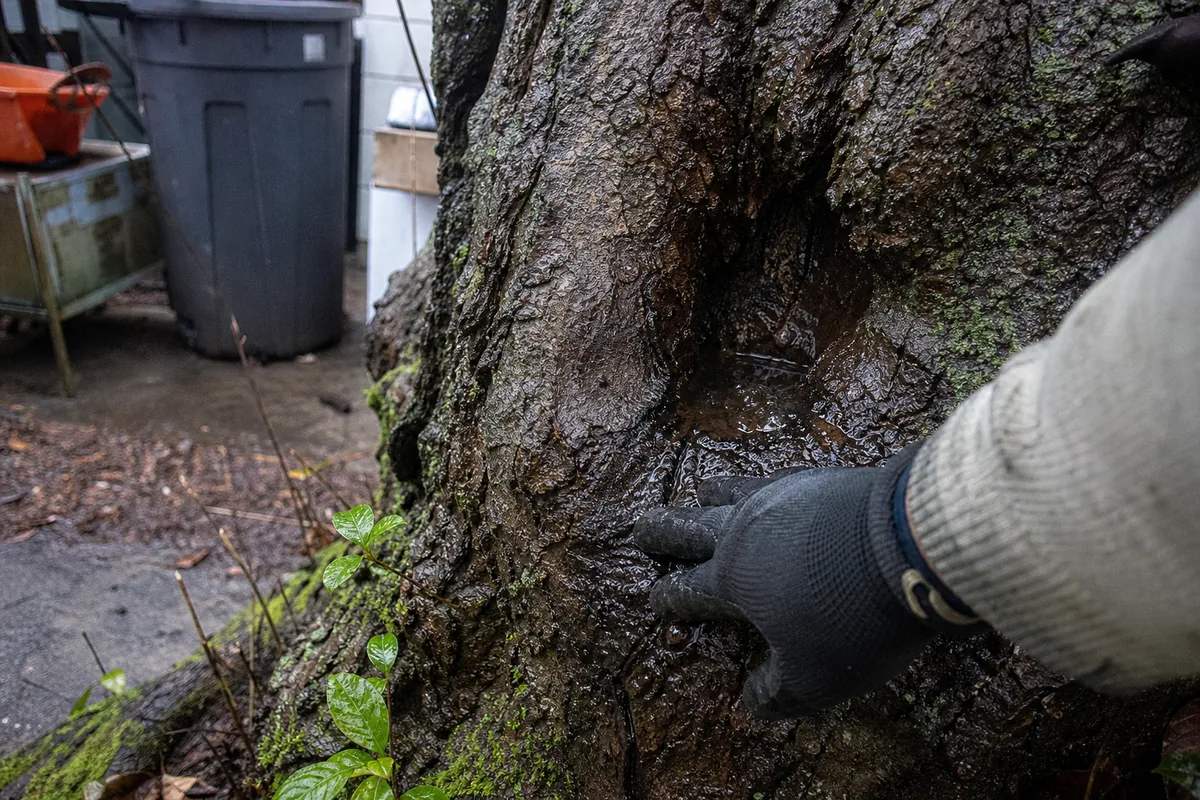
Tree holes are often missed. The CDC writes about these natural cavities: "They are a perfect place for mosquitoes to lay eggs." If a hole holds water, fill it so water cannot pool. Use a tree-safe approach, and ask an arborist for large cavities.
Check fence post caps, trash can lids, and plant saucers. Scan the yard after every heavy rain. Dump and scrub anything that caught water.
Rain barrels, birdbaths, and pools
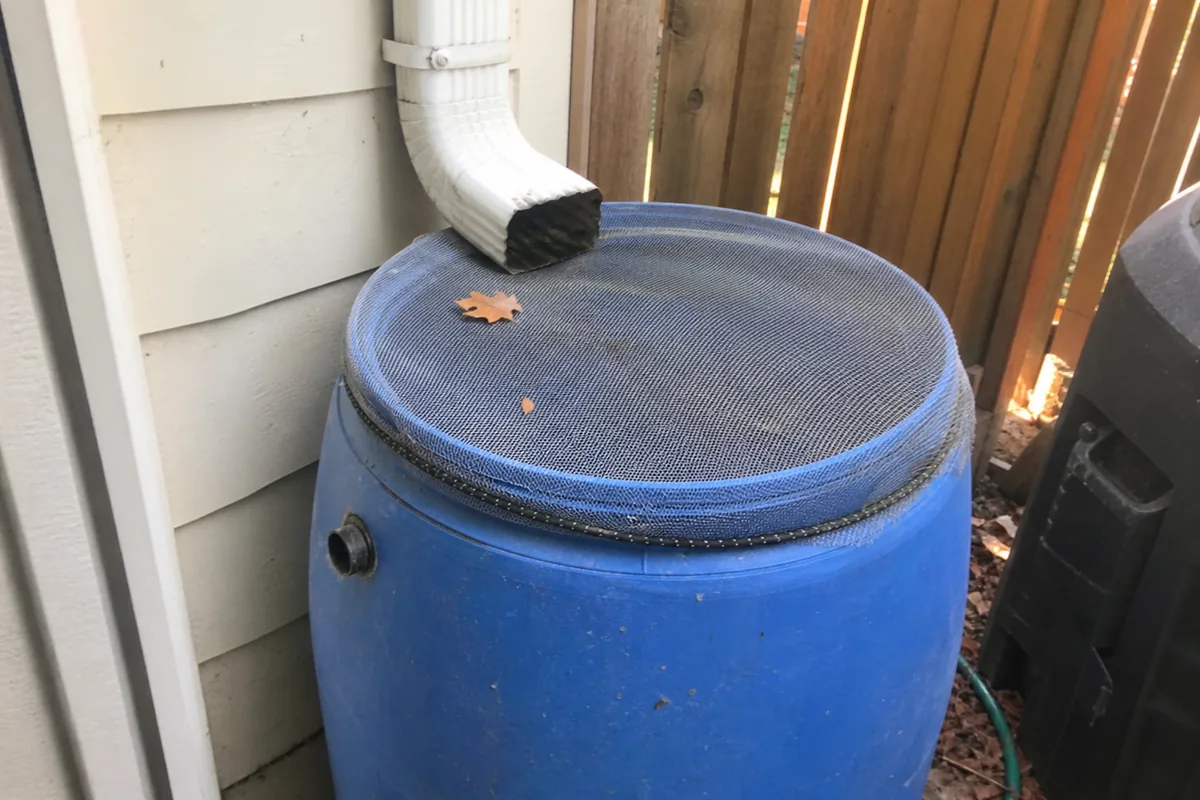
Refresh the water that you keep for looks or use. The EPA advises, "Empty and change the water in bird baths, fountains, wading pools, rain barrels, and potted plant trays at least once a week to destroy potential mosquito habitats."
If a container has no tight lid, the CDC suggests a physical block. "For containers without lids, use wire mesh with holes smaller than an adult mosquito." Many homeowners use fine stainless mesh secured with a bungee cord or band.
Pools need care even when no one is swimming. The EPA’s guidance is clear: "Keep swimming pool water treated and circulating." Keep covers tight and drained. Skim and run pumps as directed.
When to use a larvicide, and which one
Some water cannot be dumped or covered. That is when a larvicide makes sense. The CDC’s rule is specific: "Use larvicides to treat large bodies of water that will not be used for drinking and cannot be covered or dumped out."
For most homes, this means ornamental ponds or water features without fish. It can also include a chronic puddle on private property that cannot be drained. Always follow the product label.
Bti is a common choice. The EPA explains its scope: "EPA has registered five different strains of Bti found in 48 pesticide products that are approved for use in residential, commercial and agricultural settings primarily for control of mosquito larvae."
Bti targets larvae and is not a general insect killer. On safety, the EPA states, "No. Bti has no toxicity to people and is approved for use for pest control in organic farming operations."
Used correctly, larvicides have a wide safety margin. The CDC adds, "When used according to product label instructions, larvicides do not harm people, pets, or the environment."
Why spraying the yard is not enough
Sprays that kill adult mosquitoes are short-term. The CDC puts the limit plainly: "Outdoor spraying alone will not keep your yard free of mosquitoes."
Adult mosquitoes can fly in from nearby areas. Eggs laid in your containers will still hatch. Prevention stops the supply before it emerges.
How long does standing water create risk?
Timing matters when planning chores. The EPA describes the final stage before adulthood. "Finally, the mosquito emerges from the pupal case after two days to a week in the pupal stage."
Paired with the CDC’s note that "It takes about 7–10 days for an egg to develop into an adult mosquito," this shows why weekly action works. If water never sits for a full week, most eggs and larvae never make it to adults.
Your weekly yard checklist
- Walk the yard after rain and once each week.
- Dump and scrub saucers, buckets, toys, and trash can lids.
- Empty and replace birdbath and wading pool water every week.
- Cover rain barrels tightly or with fine mesh.
- Clear gutters and downspouts so water drains.
- Tighten or rehang tarps so they do not sag.
- Fill tree holes so water cannot pool; consult an arborist for big cavities.
- Use a Bti larvicide only in non-drinking water you cannot dump or cover.
Source reduction costs little and works fast. Do the free steps first. Then target the water you cannot remove with a larvicide. That sequence follows the mosquito life cycle and keeps bites down all season.